When a fabric is sold as flame retardant, it means one thing: the fabric slows the spread of a flame. It does not stop it. In the US, the reference for tent fabric is CPAI-84. France and the rest of Europe rate fabrics with their own systems, which we cover briefly below.
This article explains what CPAI-84 checks, which label to look for depending on the job, and what no standard can promise.
CPAI-84, the US standard for tent fabric
CPAI stands for Canvas Products Association International. Its CPAI-84 specification sets the flame requirements for the fabrics used in tents, shelters and other temporary structures in the US.
How the test works: a fabric sample is exposed to a calibrated flame for 12 seconds. To pass, the fabric must:
- Go out on its own within 2 seconds, on average, once the flame is removed
- Keep the charred length within a set maximum
- Not drop burning pieces that keep flaming
Several states, California and New York among them, have made CPAI-84 mandatory for camping tents sold there. Beyond those rules, it is the label to look for on any tent fabric, work tents included.
Europe and France use other ratings
If you deal with European gear, you will see different labels. France has long rated materials M1, M2 and so on, and is moving to the European system, EN 13501-1, often called Euroclass. These are separate systems with their own tests: a European rating is not a CPAI-84 certification, and CPAI-84 is not a European rating.
Which label to look for, by use
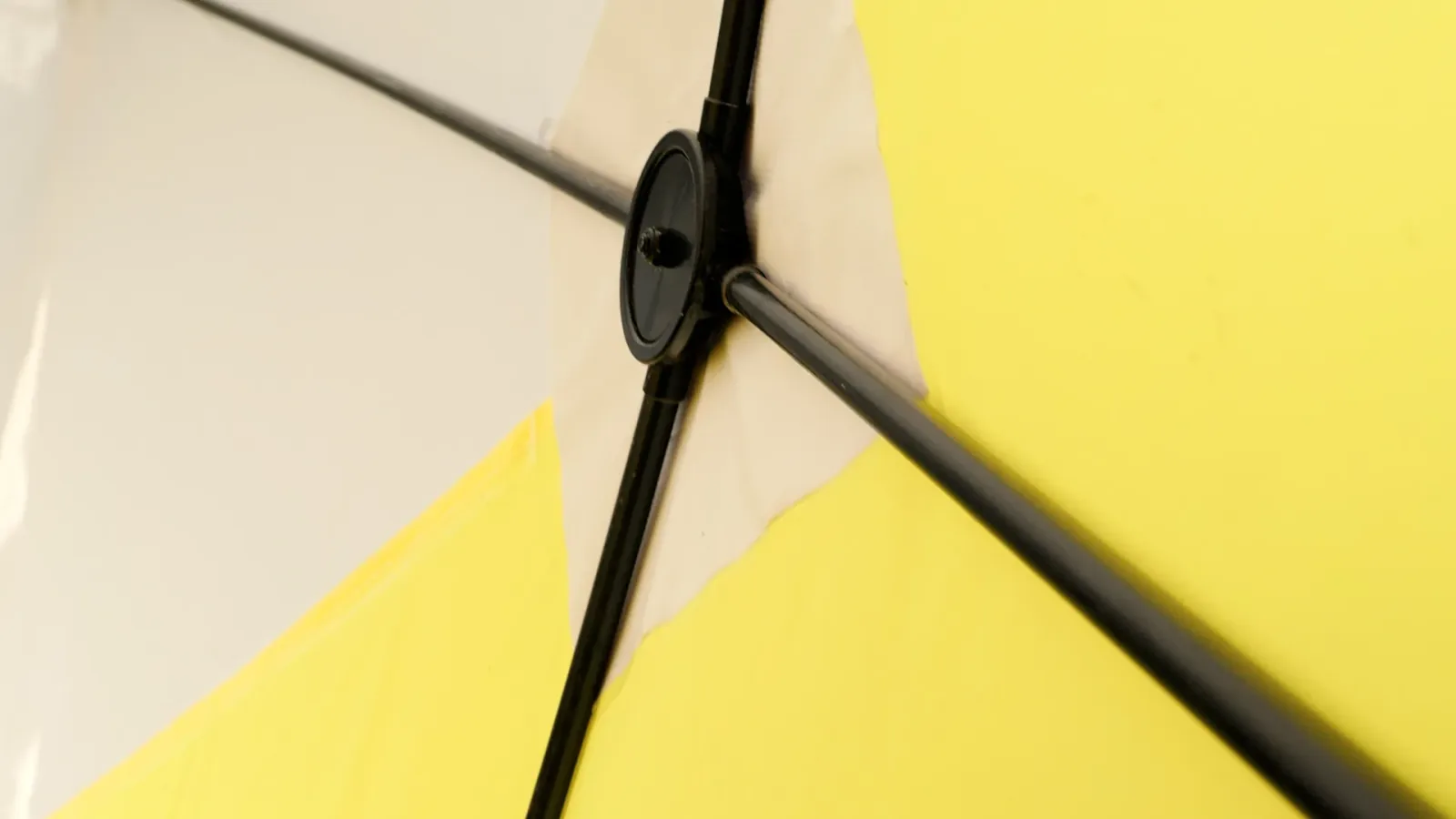
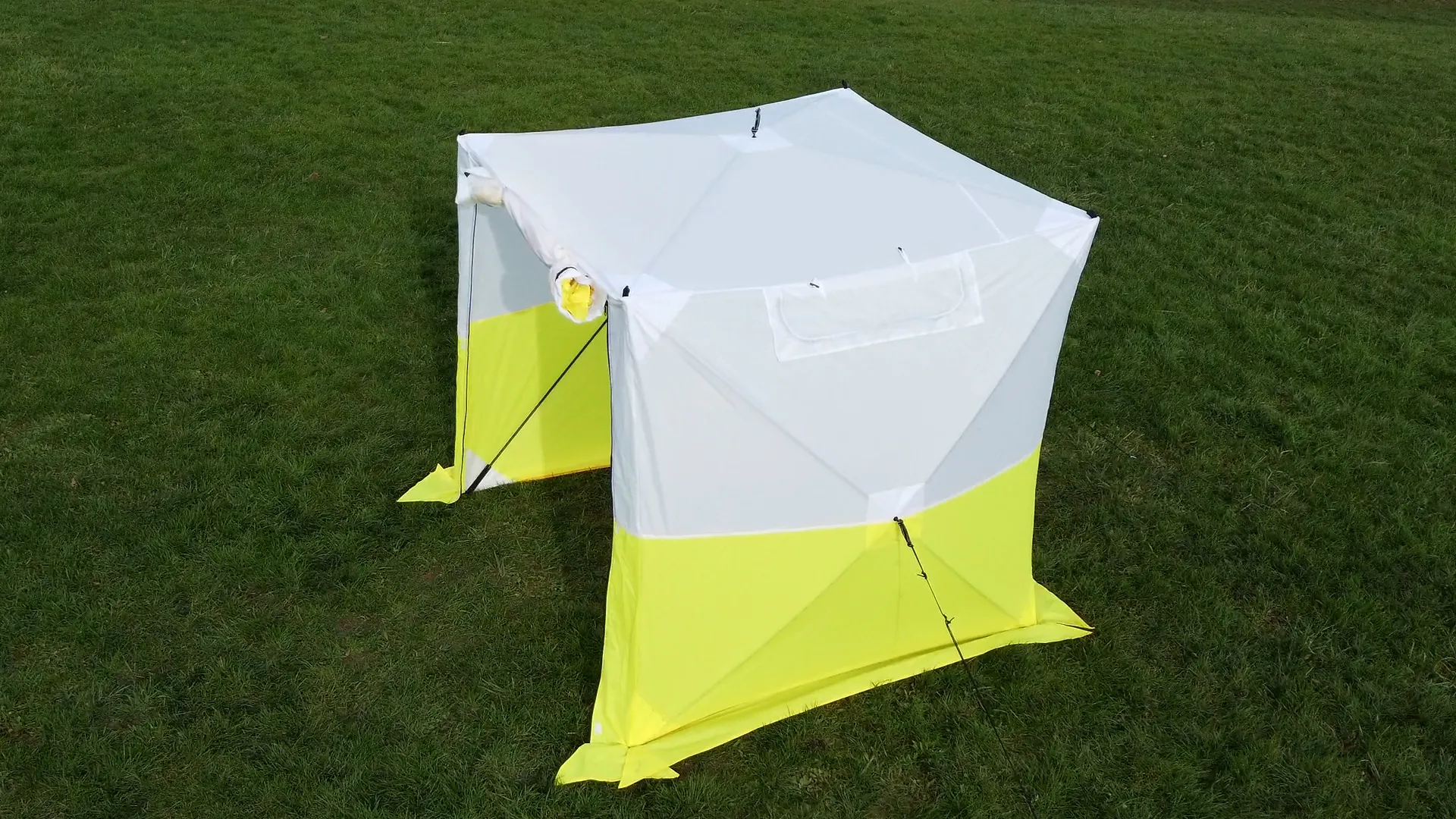
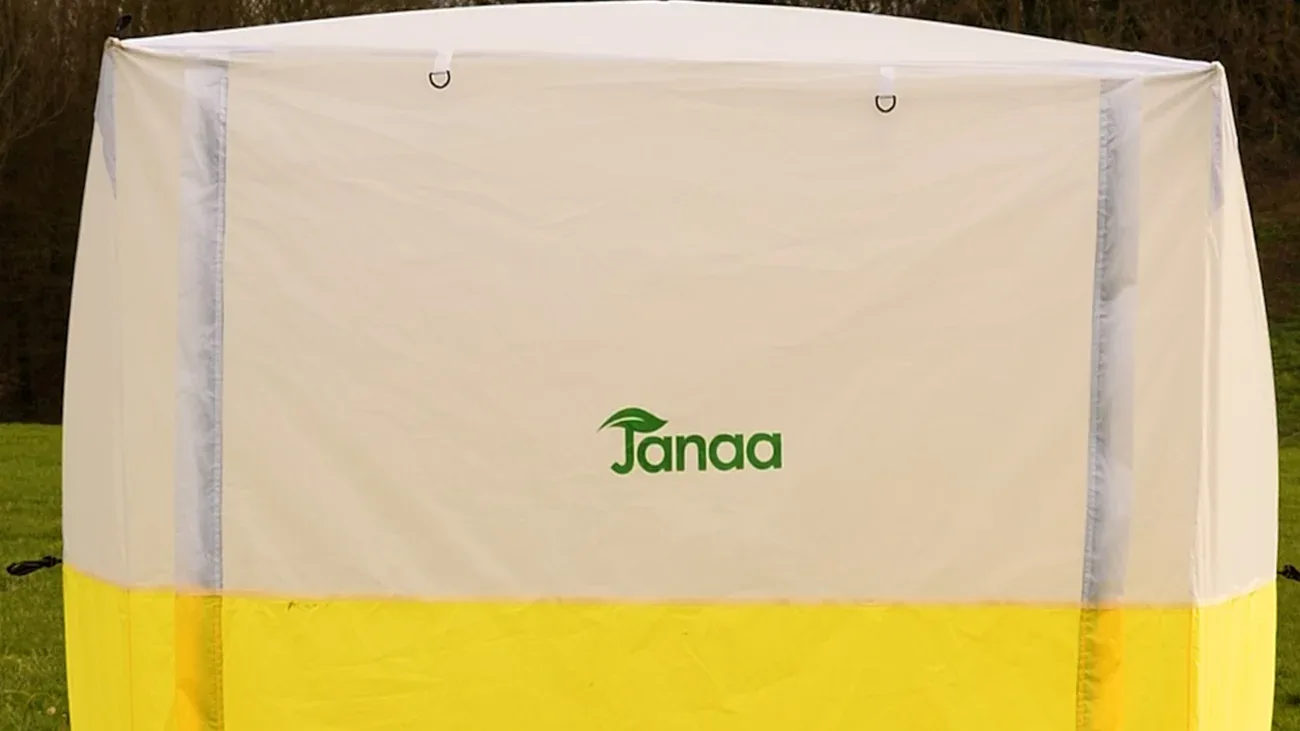
- Outdoor work tent exposed to occasional sparks (welding nearby, grinding, electrical work): CPAI-84 is the label to look for. Our JAX3 Work Tent is CPAI-84 flame retardant.
- Tent or canopy for a public event: the rules depend on where you set up. Check your local code before the event.
- Military or industrial shelter: CPAI-84 plus additional tests, often NFPA 701 in the US.
What no standard guarantees
A CPAI-84 fabric slows the spread of a flame. It does not make the fabric impossible to burn. Hold a welding torch to any fabric and it will end up burning. What the standard checks is that the flame does not keep spreading once the heat source is gone, which is what a typical accident looks like: a stray spark, a brief short circuit.
For work with a high fire risk (heavy welding, rebar cutting, torch work), add:
- A CO₂ or ABC dry chemical fire extinguisher within reach
- Flame retardant work clothing (coveralls, gloves, cap)
- A visual check before you start, and again 10 minutes after the flame is out
Above all, never weld inside a tent, whatever its rating. The standard protects against stray sparks, not against a direct, continuous heat source.

JAX3 Work Tent
CPAI-84 flame retardant fabric · PU3000mm waterproof coating · sets up in about 60 seconds, no tools